
Products
Home
Our Products
Conscious Sedation Machine
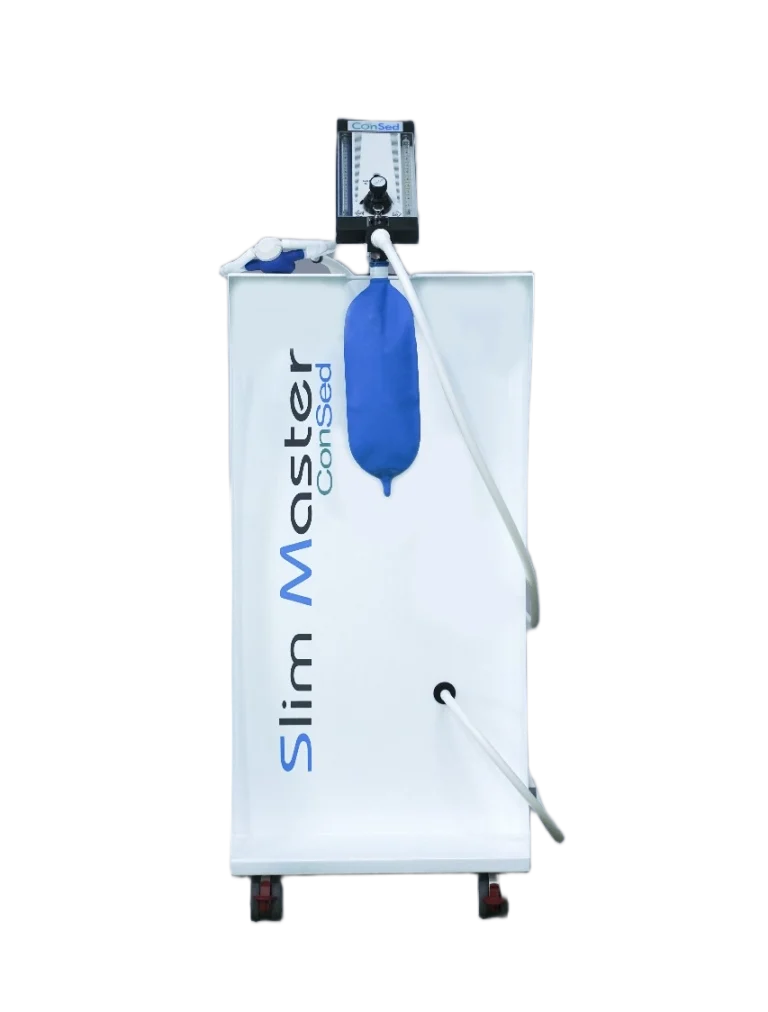
Slim Master
Model number: CS/AT-SM
- Oxygen cylinders,( Qty- 2 / Capasity-6.8 L)
- Nitrous Oxide Cylinders, ( Qty- 2 / Capasity-6.8 L)
- Autoclavable mask
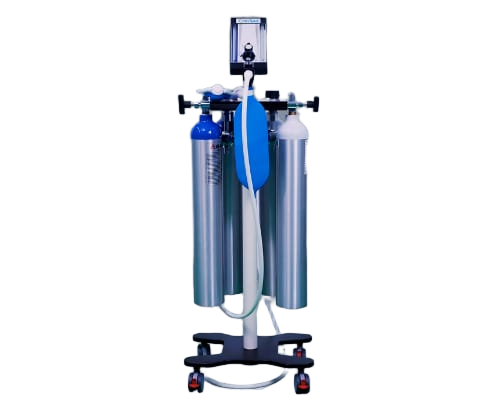
Base Model
Model number: CS/AT-2.0
- Oxygen cylinders, (Type-A / Qty- 2 / Capasity-4.5 L)
- Nitrous Oxide Cylinders, (Type-A / Qty- 2 / Capasity-4.5 L)
- Disposable mask
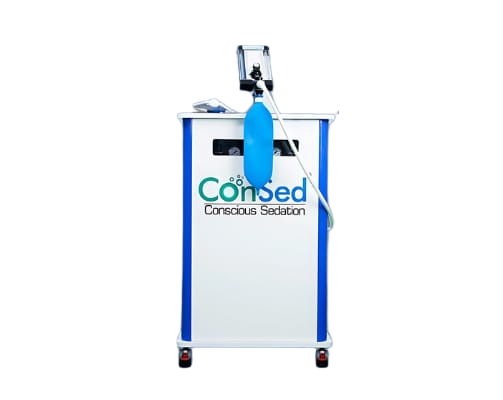
Cabinet Model
Model number: CS/AT-2.1
- Oxygen cylinders, (Type-A / Qty- 2 / Capasity-4.5 L)
- Nitrous Oxide Cylinders, (Type-A / Qty- 2 / Capasity-4.5 L)
- Autoclavable mask
Computer Controlled Local Anesthesia


Consed Smart Cart
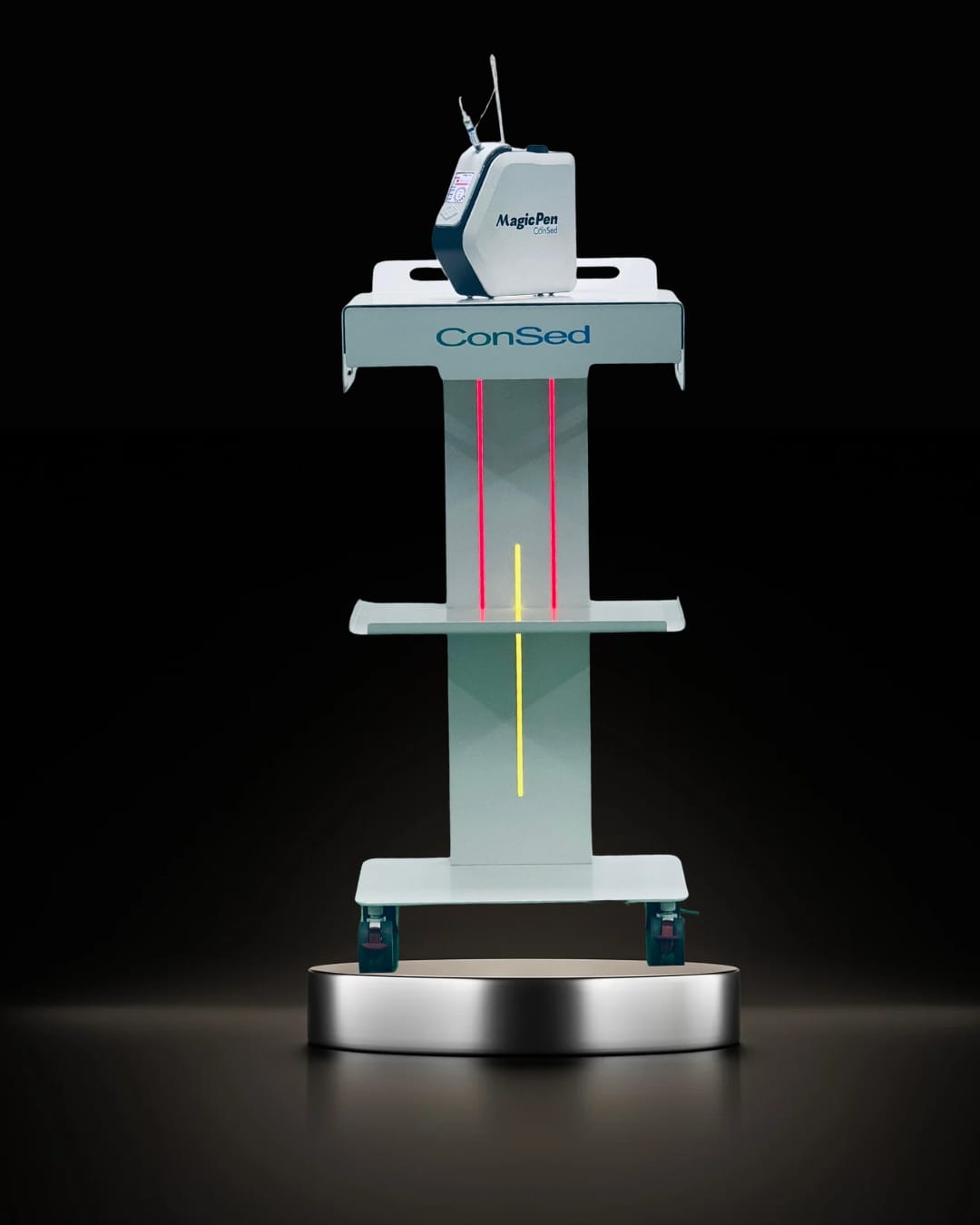
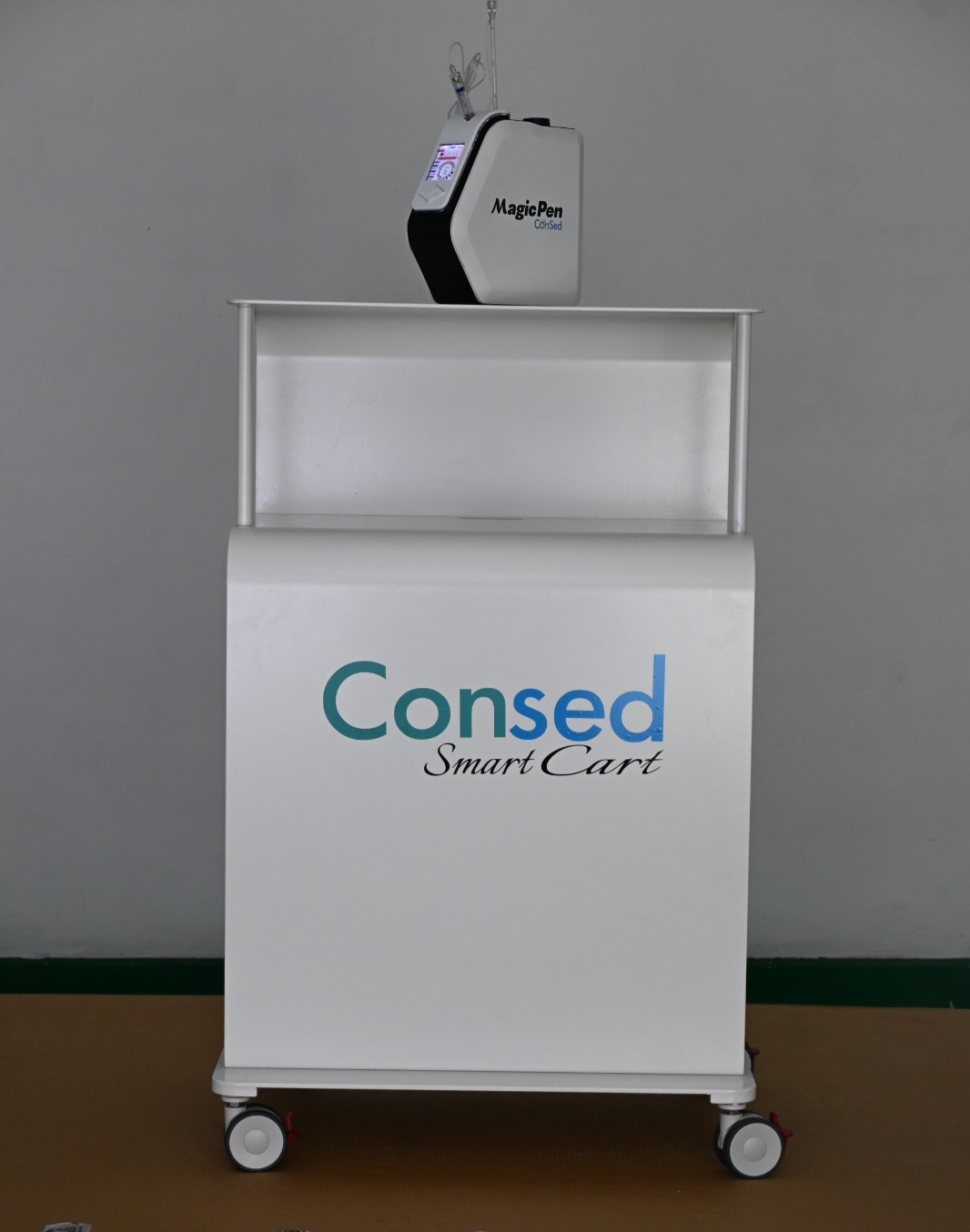
Future Conscious Sedation Machines


Frequently Asked Questions
“Find clear answers to common questions about Nitrous Oxide Sedation and how it ensures safe, comfortable care.”
Nitrous oxide sedation, also known as “laughing gas,” is a safe and mild sedative used to help patients relax during dental or medical procedures. It is mixed with oxygen and inhaled through a small mask placed over the nose.
Nitrous oxide sedation works by slowing down the body’s responses, creating a calming effect. While under its influence, patients remain conscious and able to respond to questions or instructions but feel relaxed and less anxious.
Yes, Nitrous oxide sedation is considered very safe when administered by a trained professional. It has been widely used in both dental and medical settings for many years. The gas is quickly eliminated from the body once the mask is removed, with little to no lingering effects.
Patients often describe the sensation as light, tingly, or warm, with a sense of calmness or mild euphoria. Some may feel slightly detached or floaty, but they remain fully aware of their surroundings.
Nitrous oxide typically takes effect within minutes of inhalation. Once the mask is removed, its effects wear off quickly, usually within 5-10 minutes.
Side effects are uncommon but may include nausea, light-headedness, or dizziness. If you feel uncomfortable during the procedure, inform your provider, and adjustments can be made.
Since Nitrous oxide wears off quickly, most patients can drive themselves home after their procedure. However, your dentist or doctor will provide specific advice based on your individual response to the sedation.
Most people, including children, can safely receive Nitrous oxide. However, it may not be recommended for individuals with certain respiratory conditions (like COPD), pregnant women, or those with a history of psychiatric disorders. Your medical or dental provider will evaluate your health history before administering the sedation.
In most cases, patients are advised to avoid heavy meals or dairy products a few hours before their procedure to reduce the risk of nausea. Specific instructions will be given by your healthcare provider.
The cost varies depending on the type of procedure and the location. Some insurance plans may cover Nitrous oxide sedation for specific treatments, so it’s a good idea to check with your provider.
Yes, Nitrous oxide sedation is frequently used to help patients who experience anxiety or fear during dental treatments. Discuss your concerns with your provider to determine if it’s the right option for you.
The effects of Nitrous oxide sedation dissipate quickly after the mask is removed. Most patients feel back to normal within 5 to 10 minutes and can resume normal activities soon afterward.
Yes, you can usually eat and drink normally after Nitrous oxide sedation once the effects wear off, which typically happens within a few minutes. However, your healthcare provider may give specific instructions depending on your procedure or individual case.
Preparation for Nitrous oxide sedation is usually minimal. Your provider may recommend avoiding large meals, alcohol, or dairy a few hours before your appointment. You should also wear comfortable clothing and communicate any health concerns or medications you are currently taking.
Despite its nickname, “laughing gas,” Nitrous oxide sedation does not always cause uncontrollable laughter. While some people may feel giggly or light-hearted, the primary effect is a sense of calm and relaxation, not hysterical laughter.
Nitrous oxide sedation generally induces relaxation but not deep sleep. Some patients feel drowsy or mildly sedated but will remain awake and responsive during the procedure. If you are looking for a deeper form of sedation, other options might be more suitable.
Nitrous oxide sedation is delivered through a small mask placed over your nose. You will be instructed to breathe normally, and the sedative will take effect quickly. The level of sedation can be adjusted throughout the procedure to ensure your comfort.
Unlike deeper forms of sedation, Nitrous oxide sedation does not typically cause amnesia. Most patients remember the procedure, although they are much more relaxed and may feel indifferent to the events.
Yes, Nitrous oxide is commonly used for children during dental procedures to help reduce anxiety and make the experience more comfortable. It is considered very safe for children when administered by a trained professional.
If you are claustrophobic or uncomfortable wearing a mask, let your healthcare provider know. They can adjust the mask or help you get accustomed to it slowly. If Nitrous oxide is not a good option for you, your provider may suggest alternative sedation methods.
Yes, Nitrous oxide sedation can sometimes be combined with other sedatives for additional relaxation. Your healthcare provider will determine if this is appropriate based on your procedure and medical history.
If you have nasal congestion or a cold, it may be difficult to inhale Nitrous oxide sedation effectively through the mask. In such cases, your procedure may be postponed, or your provider may recommend a different type of sedation.
Nitrous oxide sedation is not typically considered addictive when used in a controlled medical or dental setting. However, recreational misuse of Nitrous oxide sedation, outside of medical oversight, can be dangerous and lead to health issues.
Your healthcare provider will review your medical history and any concerns you have about sedation before recommending Nitrous oxide sedation. It is a good option for many people, but other forms of sedation may be more suitable depending on your needs and comfort level.
If you start to feel nauseous during the procedure, let your healthcare provider know immediately. They can adjust the gas mixture or remove the mask to alleviate discomfort. Nausea after the procedure is uncommon but can occur, and it typically passes quickly.
Yes, Nitrous oxide sedation helps relax you and reduce anxiety, but it does not numb the area being treated. For procedures like fillings or extractions, a local anesthetic (e.g., Novocain) will likely still be necessary to prevent pain.
Yes, if you are feeling anxious or uncomfortable during the procedure, you can ask your healthcare provider to adjust the amount of Nitrous oxide sedation. The effects can be fine-tuned to match your comfort level.
There are no known long-term effects from nitrous oxide sedation when used properly in medical or dental settings. It is quickly expelled from the body, and normal activities can typically be resumed shortly after the procedure.
Healthcare providers carefully monitor the administration of Nitrous oxide sedation to ensure safe levels are used. Breathing too much Nitrous oxide sedation could lead to temporary side effects like dizziness or nausea, but this is rare in controlled environments. Providers can immediately adjust the dosage if needed.
Nitrous oxide sedation is a lighter form of sedation compared to oral sedation or IV sedation. Its quick onset and rapid recovery make it ideal for mild to moderate anxiety or discomfort. If you need deeper sedation or are undergoing a more invasive procedure, your provider might recommend oral or intravenous sedation.
At Consed International, we are dedicated to revolutionizing conscious sedation practices and enhancing patient care worldwide